Custom Sheet-Metal Manufacturing
Bring a dimensioned sketch for custom trim, special components, canopies, louvers, fascia systems and roof jacks.
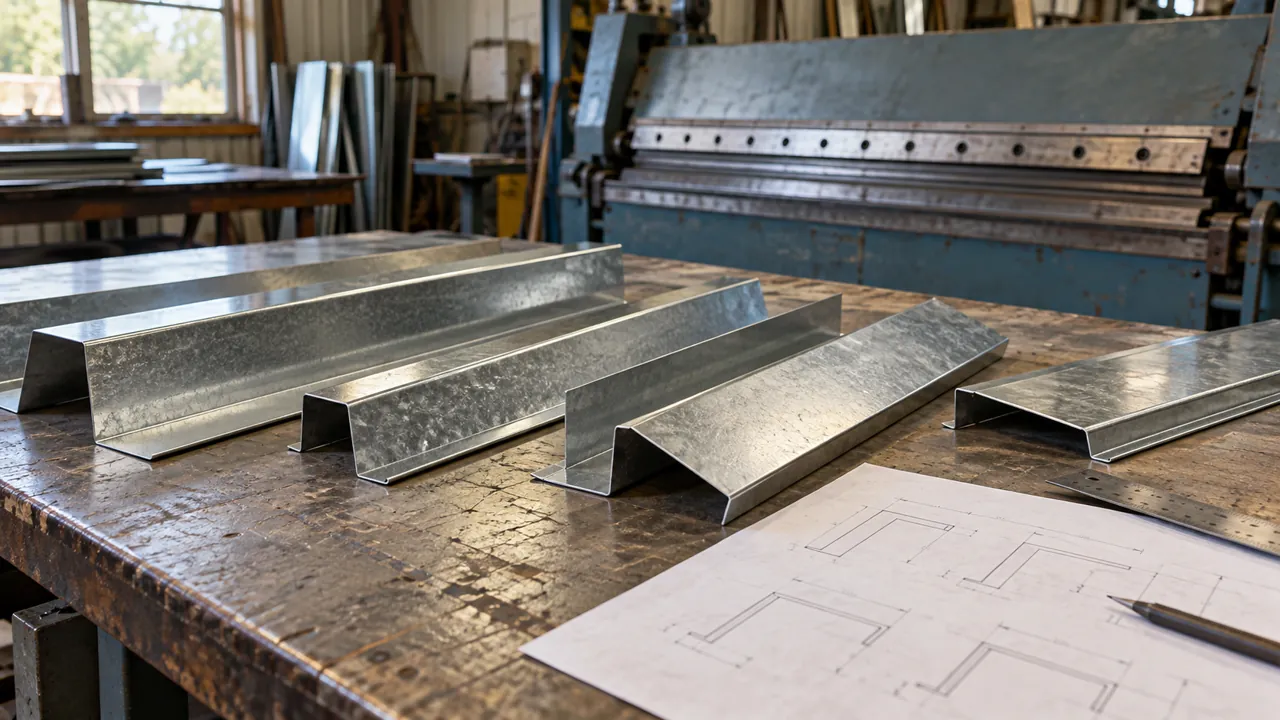
Start with the intended use, the relevant plan or sketch, and the details that still need confirmation. A material reference helps explain the request; the agreed order and applicable project documents define the supplied work.
Include lengths, quantities, finish and the project location. For a custom shape, identify the color side, orientation and every required bend. If you are matching an existing part, add clear photos and any original product information.
Custom Manufacturing
Related Images:
Send the sketch. Start a better fabrication conversation.
A custom piece usually begins with a detail that a standard profile does not solve. It may be a transition on an older building, a fascia with an unusual return, a louver, a canopy component or trim around a particular opening. Show us where the part goes and what it needs to connect to. That context makes the discussion much more useful than a name alone.
ASAP Metal offers custom sheet-metal manufacturing from our Harvey shop. Our published offering includes special components, trim, roof jacks, louvers, canopies and fascia systems. If you are working from a designer’s detail, include it with the inquiry. If you are replacing an existing part, provide clear photos and identify which dimensions and features you want to retain.
A cross-section tells us what the part really is
For a bent part, a side-on cross-section often carries the most useful information. Draw the shape and show each leg, bend, return and hem. Mark the angles and dimensions clearly, using one consistent set of units. Include a view that makes the orientation obvious, especially where two similar-looking pieces turn in opposite directions.
A sketch does not need to look polished. It needs to communicate the intended shape. Label anything that is still provisional and keep the original reference with your drawing. A photograph adds context, while the dimensioned cross-section helps define what you want fabricated. The two serve different purposes and work well together.
Mark the finished side before the bends are discussed
A colored piece can look correct in outline and still face the wrong way if the finish side has not been identified. Mark the exposed face on the cross-section. Show which side should be visible once the piece is installed, and note any concealed returns or areas that connect to another component.
This becomes especially useful for mirror-image parts, corners and junctions. If the left and right sides differ, identify them as separate items rather than relying on a verbal instruction later. Keep those labels with the material list so the shape, orientation, quantity and finish remain connected throughout the discussion.
List lengths and quantities separately
A cross-section defines the shape, but the overall length and quantity still need their own clear entries. Put each length on a separate line with its quantity and identifying mark. If several pieces share a profile but have different lengths, group them under the same detail and make the differences easy to read.
Keep building dimensions separate from finished part dimensions. The installer or designer should confirm allowances, connections and the final measurements for the intended detail. Where a length is still being checked, leave it marked as preliminary. A material inquiry can begin before every decision is final, provided the uncertainty stays visible.
Material and finish belong in the same request
Tell us the material and finish you are considering, along with the application. The requested shape, coating, material thickness and length can all affect how a part is made and handled. If a particular specification controls the project, include that document rather than expecting the appearance of a sample to establish the requirement.
Use the color selector to narrow a visual direction, then confirm the actual finish for the order. For a match to existing work, bring available product information and account for weathering. A familiar color name is helpful, but it is only one part of a complete material description.
Replacing a part? Show the intended shape, not just the damage.
An old sample can be useful, particularly where the shape is hard to describe. Point out bends, dents, tears or wear that developed after installation. If a part has been distorted, explain which features represent the intended detail and which are damage. Add photographs of how it fits with the surrounding work.
Measurements and samples should be obtained safely. If access requires working at height or near an unstable assembly, have the person responsible for the work provide the needed information. Ground-level photographs and existing drawings can begin the conversation without putting someone at risk just to identify a part.
What our shop capability means for your request
Our existing shop information describes a 21-foot hydraulic brake and in-house roll forming. Those resources support a range of panel and custom trim discussions. Bring the specific profile, material, length and quantity so the team can review the actual piece you want to order.
A machine length is not the only limit on a custom part. Shape, tooling, material, handling and the overall sequence of bends can matter too. Ask about the proposed detail early, especially for longer pieces or an unusual cross-section. Confirm the final fabrication information before arranging around a presumed capability.
Canopies, louvers, fascia and roof jacks
These requests benefit from a view of the surrounding assembly. For a louver, show the opening and the relevant design detail. For fascia, show the visible face, returns and junctions. For a canopy or roof jack, include the location and the connected materials so the intended use is clear.
Where a project requires engineered support, weathering details or a particular product specification, keep that information with the request. Fabricating a shape does not by itself resolve every design or installation decision. The agreed supply scope should say what is being provided and identify the responsibilities that remain with others.
Coordinate the custom piece with the rest of the order
A custom part rarely lives alone. Check the adjoining panel profile, trim, supports, fasteners, closures and sealants that belong to the same detail. If an existing component is staying in place, identify it. If another part is changing, review whether that affects the custom piece before the earlier drawing is treated as final.
A single material list helps bring those connections together. Give each custom detail a useful description or mark, link it to the relevant drawing and include the matching finish. That makes it easier to discuss the complete request and see where a question still needs an answer.
Keep revisions visible and approvals clear
Date the drawing and identify the current revision. If a dimension, angle, finish or quantity changes, update the affected item clearly and remove the ambiguity between earlier and later versions. Several screenshots with different marks can be harder to interpret than one current drawing with a short change note.
Decide who will confirm the final dimensions and order details. On some projects that is the owner; on others it is a contractor or designer. A clear point of confirmation helps prevent a preliminary discussion from being mistaken for an instruction to manufacture. Keep the agreed information with the order records.
Plan collection and handling before the part is ready
Tell us how you expect to collect or receive the material. Longer trim, panels and unusual shapes can need particular support and protection. Discuss the order size, packaging and destination before arranging transport. The practical details matter to getting the piece from the shop to the project in useful condition.
For a special trip, call to confirm the order status and arrangements. An inquiry does not place a piece into production or reserve collection time. Once the scope and order are agreed, keep the identifying information handy so the team can check the correct item when you call.
Bring the detail to ASAP Metal in Harvey
Start with your contact information, project location, intended use and a current sketch or drawing. Add the material, finish, cross-section, lengths and quantities you know. Mark questions clearly. If the piece connects to existing work, include a wider photo and a close view of the relevant profile.
You can browse the materials catalog to identify similar shapes, then carry the notes into an inquiry. For a real project, call 504-347-2727 or email asapmetal@gmail.com. We would like the opportunity to help you turn an awkward detail into a clearer custom material request.